
10 Essential Diabetic Foot Care Tips for Preventing Ulcers and Infections
Diabetes affects more than blood sugar—it can have a serious impact on your feet. Reduced circulation and nerve damage make it harder to feel injuries and slower for wounds to heal. Without proper care, small issues can turn into infections or ulcers that threaten mobility and overall health.
At Foot and Ankle Specialists of Central PA, we help patients throughout Central Pennsylvania protect their feet and prevent diabetic complications through education, early detection, and expert care. These ten essential diabetic foot care tips can help you stay ahead of problems before they start.
What Is Diabetic Foot Care?
Diabetic foot care involves daily habits, proper footwear, blood sugar management, and regular podiatric exams designed to prevent ulcers, infections, and long-term complications caused by diabetes-related nerve and circulation issues.
1. Perform a Daily Foot Check
Inspect your feet every day, including the soles and between your toes. Look for cuts, blisters, redness, swelling, drainage, or color changes. Because nerve damage can reduce sensation, problems may be present even if you don’t feel pain.
2. Wash Gently and Dry Thoroughly
Clean your feet daily with lukewarm water and mild soap. Avoid hot water, which can cause burns or dry skin. Dry carefully, especially between the toes, where moisture can lead to fungal infections.
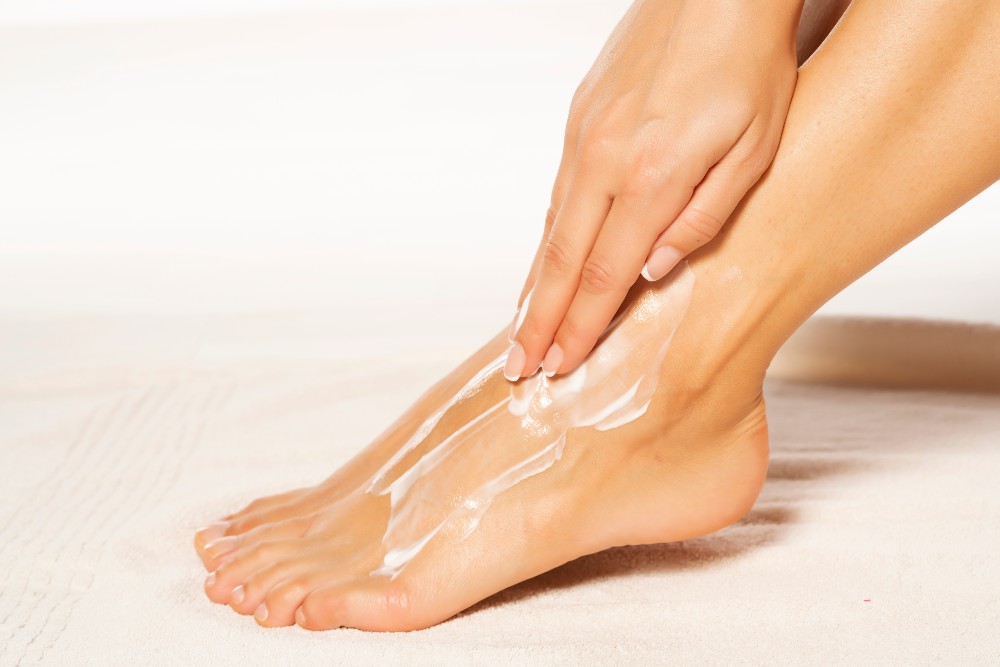
3. Moisturize Dry Skin—Carefully
Apply lotion to prevent cracking and dryness, focusing on heels and the bottoms of the feet. Do not apply moisturizer between the toes, as excess moisture increases infection risk.
4. Trim Toenails the Right Way
Cut toenails straight across and smooth the edges with a file. Avoid cutting into the corners, which can cause ingrown toenails. If your nails are thick, discolored, or difficult to manage, professional nail care is safer.
5. Always Wear Shoes or Slippers
Walking barefoot—even indoors—can lead to cuts, punctures, or burns that may go unnoticed. Wear supportive shoes or protective slippers at all times to reduce injury risk.
6. Choose Shoes That Protect Your Feet
Footwear should fit properly, offer cushioning, and avoid pressure points. Shoes that are too tight or rub can quickly lead to blisters or sores. Many patients benefit from diabetic shoes or custom orthotics, which help distribute pressure evenly and reduce ulcer risk.
7. Change Socks Every Day
Wear clean, dry socks daily. Moisture-wicking materials help keep feet dry, while seamless socks reduce friction. Avoid tight bands that can restrict circulation.
8. Keep Blood Sugar Under Control
Healthy blood sugar levels support better circulation, nerve health, and faster wound healing. Consistent diabetes management plays a major role in preventing foot ulcers and infections.
9. Never Treat Foot Problems on Your Own
Avoid using over-the-counter corn removers, medicated pads, or sharp tools. If you notice calluses, corns, wounds, drainage, or changes in skin color or temperature, seek professional care promptly.
10. Schedule Regular Diabetic Foot Exams
Routine foot exams allow your podiatrist to identify problems early—often before they become painful or dangerous. Regular visits are one of the most effective ways to prevent serious diabetic foot complications.

When to See Our Central PA Foot and Ankle Specialists
Contact our office right away if you experience:
- Numbness or tingling
- A sore that isn’t healing
- Redness, swelling, or warmth
- Skin discoloration or drainage
- Sudden changes in foot shape
Early treatment can mean the difference between simple care and long-term complications.
Expert Diabetic Foot Care in Central Pennsylvania
At Foot and Ankle Specialists of Central PA, we provide comprehensive diabetic foot care, including preventive exams, ulcer treatment, wound care, custom orthotics, and long-term management plans tailored to each patient.
Protecting your feet is an essential part of managing diabetes—and you don’t have to do it alone.
Schedule a diabetic foot evaluation with Foot and Ankle Specialists of Central PA today and take a proactive step toward healthier feet.